Earth space
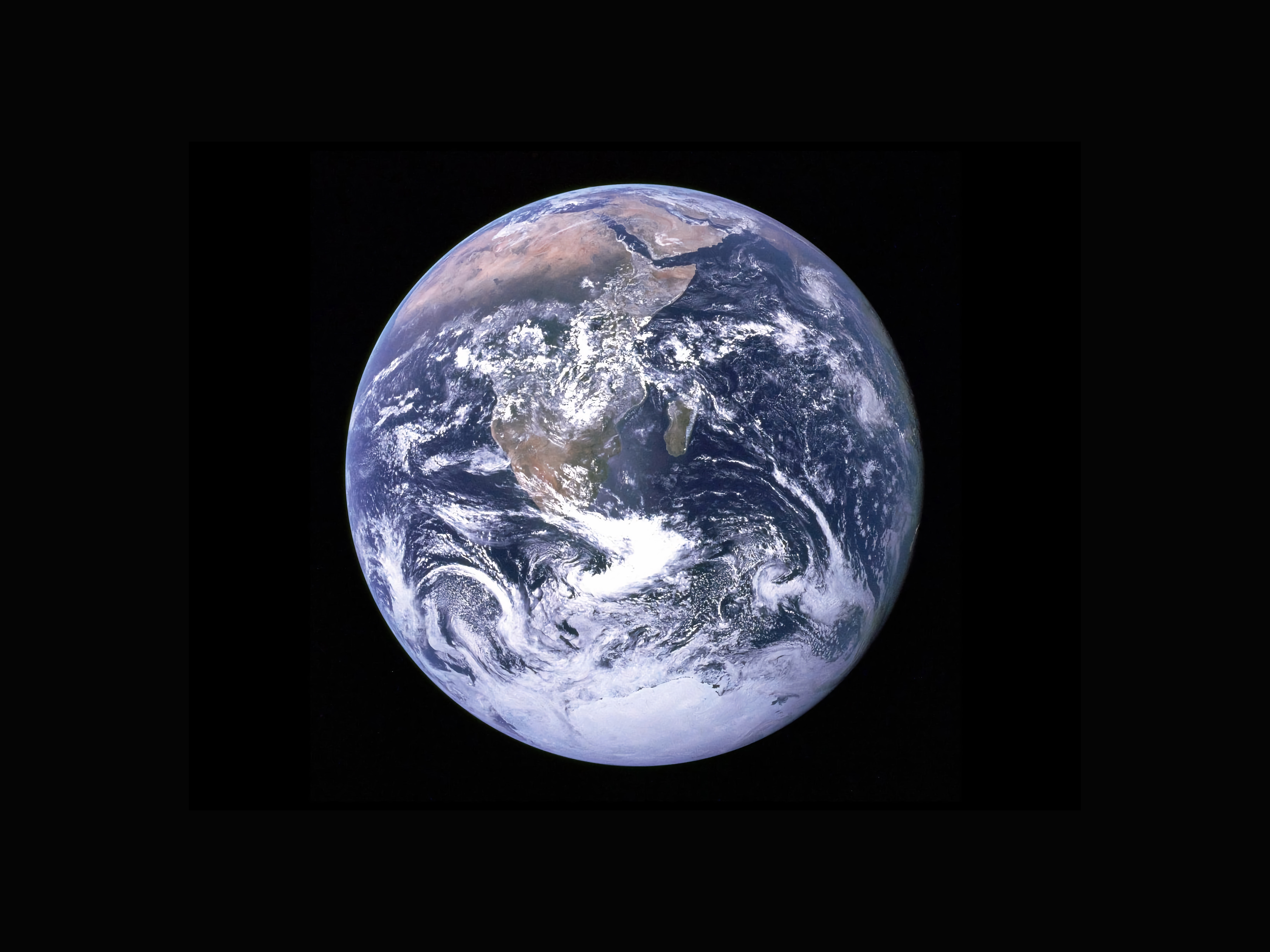
The region of outer space adjacent to Earth. The geospace region includes the upper atmosphere, such as the ionosphere and magnetosphere, and the Van Allen radiation belts are also within geospace. The area between Earth's atmosphere and the Moon is sometimes called "Earth–Moon space."
Interplanetary space
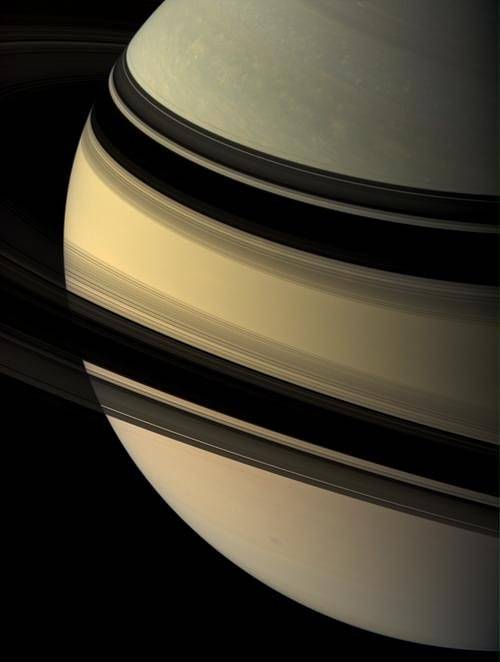
The space within the solar system that surrounds the Sun and planets. This region is dominated by the interplanetary medium and extends outward to the heliosphere, where the galactic environment begins to affect the flow of particles. Interplanetary space is defined by the solar wind, the continuous stream of charged particles from the Sun that creates a thin atmosphere (the heliosphere) that stretches billions of miles into space. The particle density in the wind is about 5–10 protons/cm³ and it moves at roughly 350–400 km/s. The distance and intensity of the heliosphere are closely related to solar wind activity. The discovery of exoplanets shows that other stars can have their own interplanetary environments.
Intergalactic space
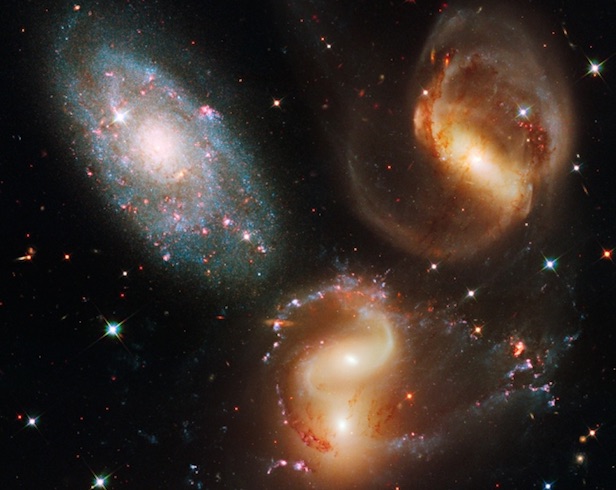
The space between galaxies. Intergalactic space is extremely close to a vacuum, but there is still thin dust and gas. Between clusters of galaxies, vast voids contain very little matter. Overall density is not uniform: it ranges from very high inside galaxies to very low in the largest voids.