What is a celestial body?
Any collection of matter in space is considered a celestial body. Here are the main celestial bodies that scientists know about.
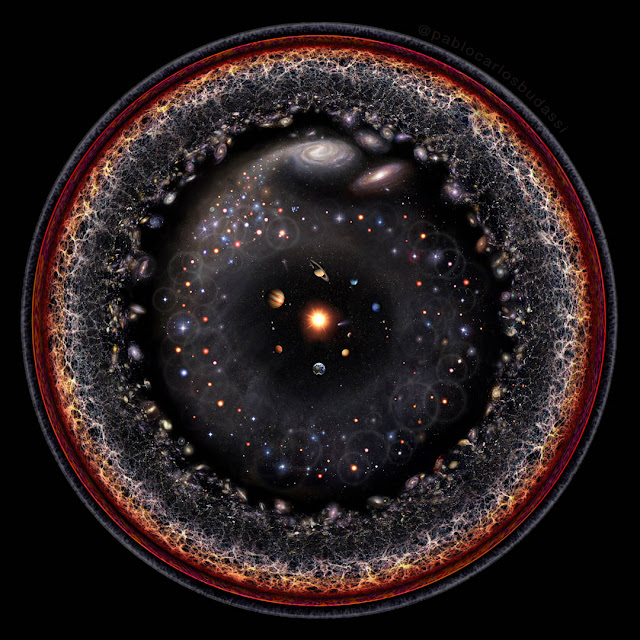
Universe
The universe is all of space and time and their contents, including planets, stars, galaxies, and all other forms of matter and energy. The Big Bang theory is the prevailing cosmological description of the development of the universe.
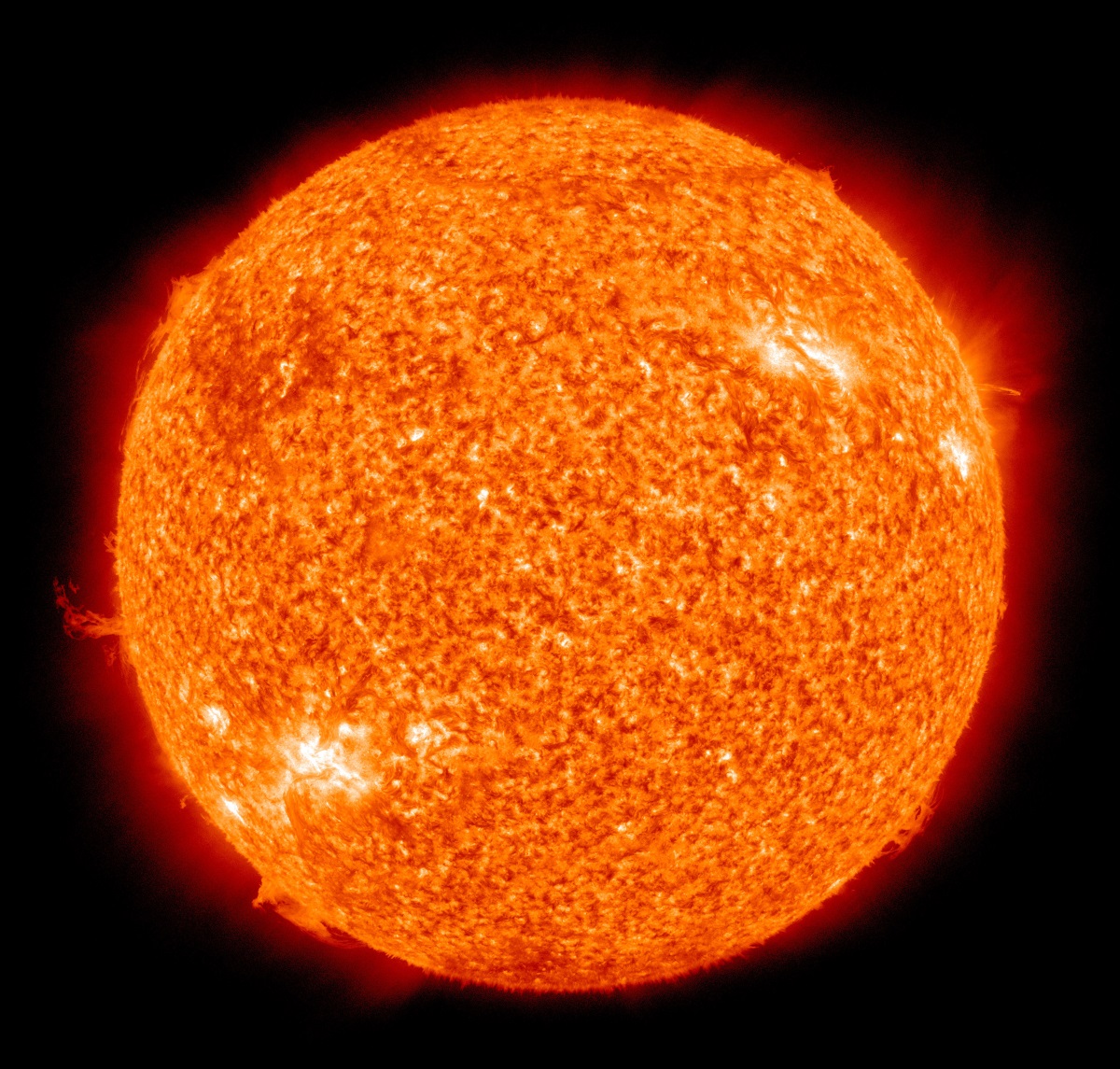
Star
A star is an astronomical object comprising a luminous spheroid of plasma held together by its gravity. The nearest star to Earth is the Sun. Many other stars are visible to the naked eye at night, but their immense distances from Earth make them appear as fixed points of light.
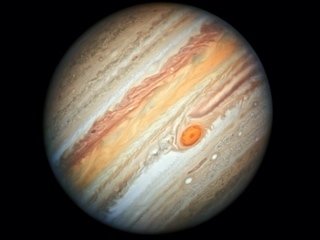
Planet
A planet is a large astronomical body that is neither a star nor a stellar remnant. At least eight planets exist in the Solar System: the terrestrial planets Mercury, Venus, Earth and Mars, and the giant planets Jupiter, Saturn, Uranus and Neptune.
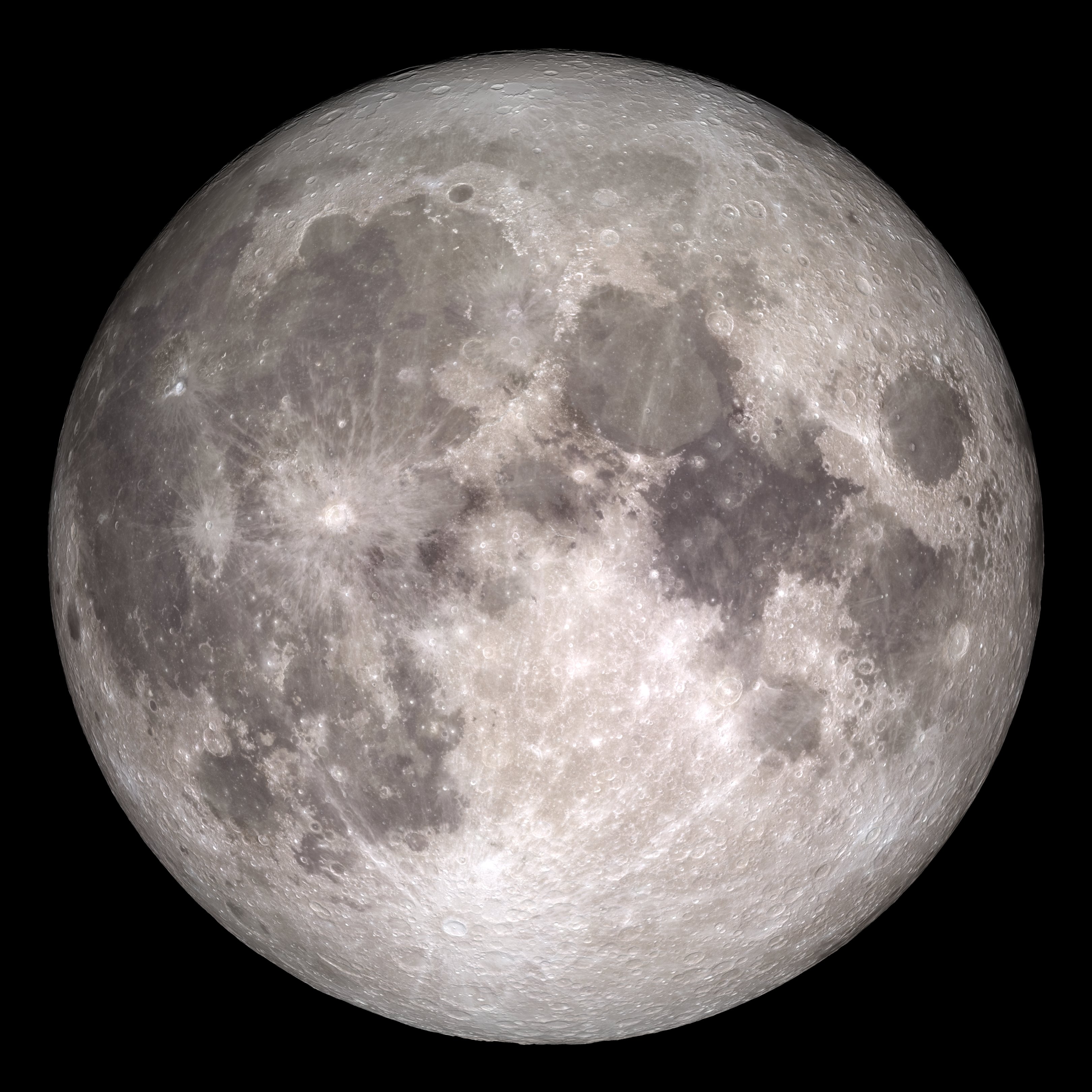
Moon
The Moon is Earth's only natural satellite. At about one-quarter the diameter of Earth, it is the fifth largest satellite in the Solar System, the largest satellite in the Solar System relative to its major planet, and larger than any known dwarf planet.
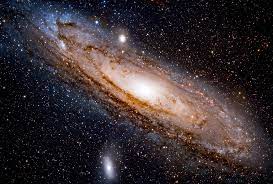
Galaxy
A galaxy is a gravitationally bound system of stars, stellar remnants, interstellar gas, dust, and dark matter. The word is derived from the Greek galaxias, literally 'milky', a reference to the Milky Way galaxy that contains the Solar System.
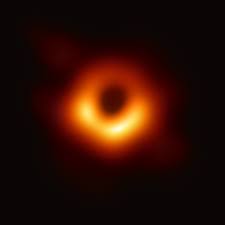
Black Holes
A black hole is a region of spacetime where gravity is so strong that nothing – no particles or even electromagnetic radiation such as light – can escape from it. The theory of general relativity predicts that a sufficiently compact mass can deform spacetime to form a black hole.
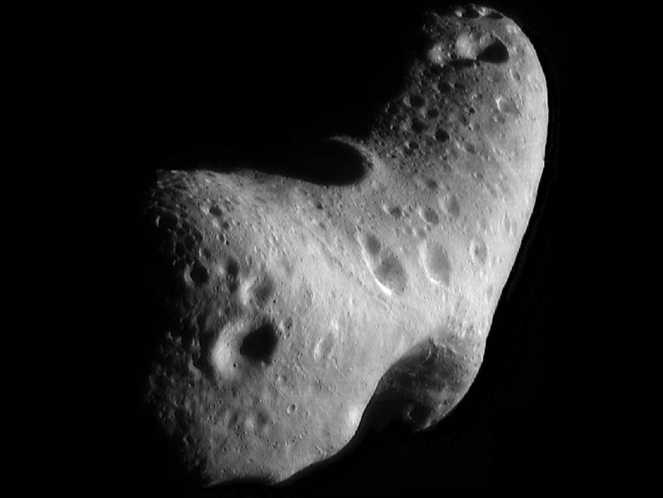
Meteor
A meteoroid is a small rocky or metallic body in outer space. Meteoroids are significantly smaller than asteroids, and range in size from small grains to one-meter-wide objects. Objects smaller than this are classified as micrometeoroids or space dust.