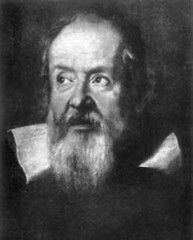
Galileo Galilei
Born in Pisa, Italy in 1564, Galileo was a scientist and astronomer who helped establish modern observational astronomy. He improved the telescope and used it to study the Moon, Jupiter, and Venus. While observing Jupiter, he discovered four large moons now called the Galilean moons. His work supported the heliocentric model, which was controversial in his time but later confirmed.
Learn more on Wikipedia
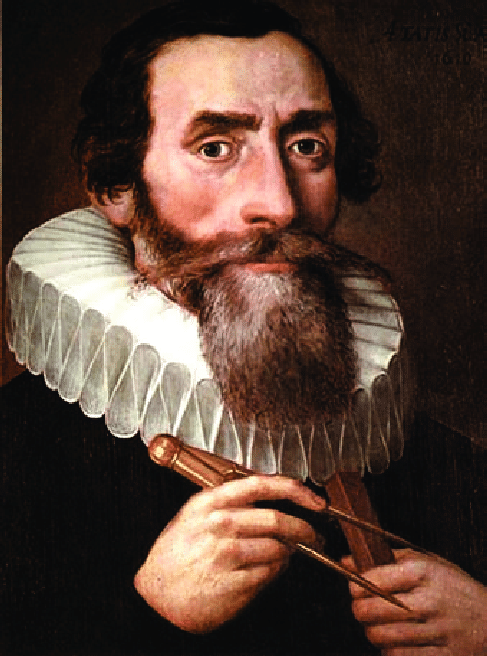
Johannes Kepler
Born in Weil der Stadt, Germany in 1571, Kepler was a mathematician and astronomer who supported Copernicus’s heliocentric model. He showed that planets move in elliptical orbits and formulated the three laws of planetary motion, which describe how planets orbit the Sun.
Learn more on Wikipedia
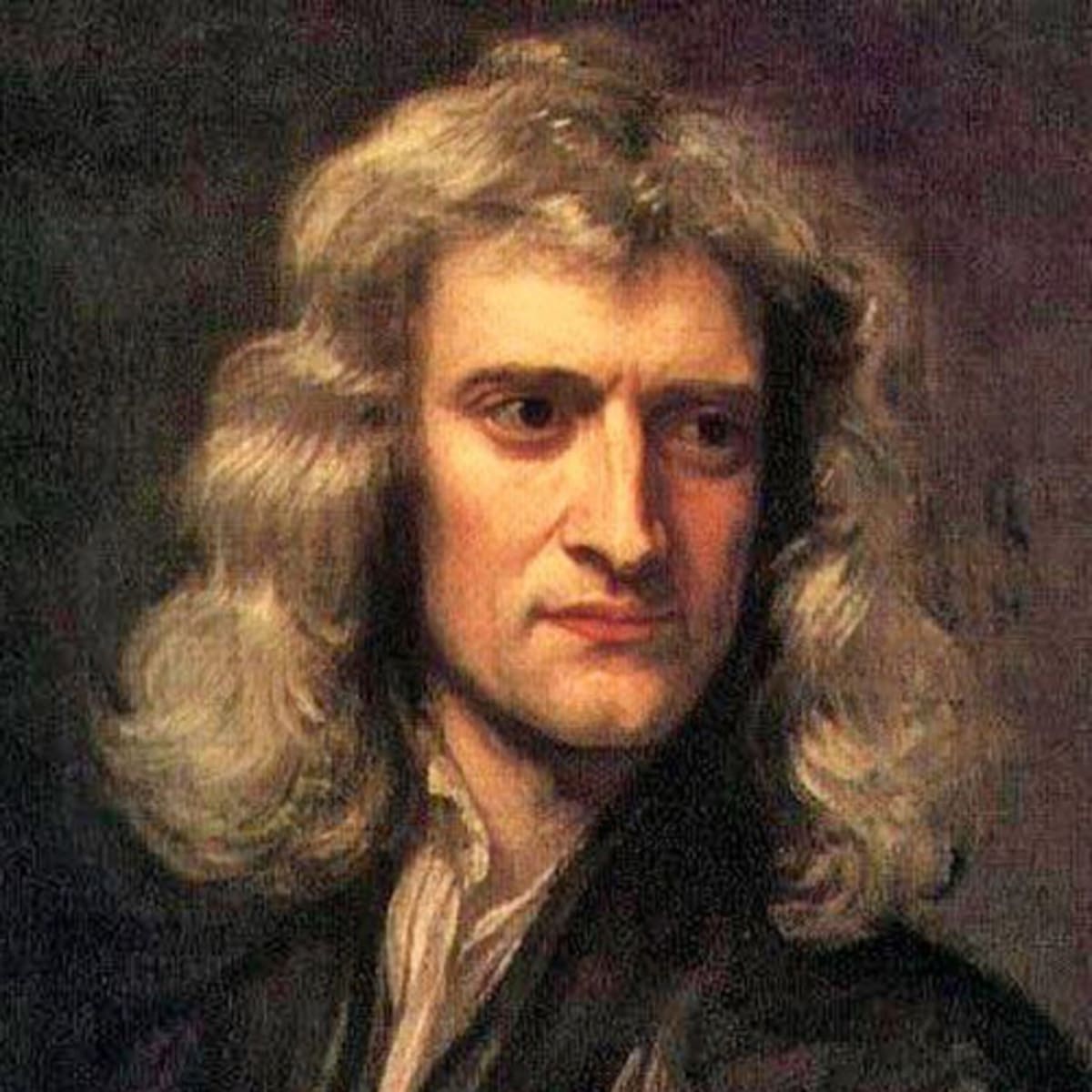
Sir Isaac Newton
Born in 1643 in Woolsthorpe, Lincolnshire, England, Newton was a professor of mathematics at the University of Cambridge. He developed the laws of motion and universal gravitation, which explain the motion of objects on Earth and in space. The story of the falling apple is a popular legend about how he thought about gravity.
Learn more on Wikipedia
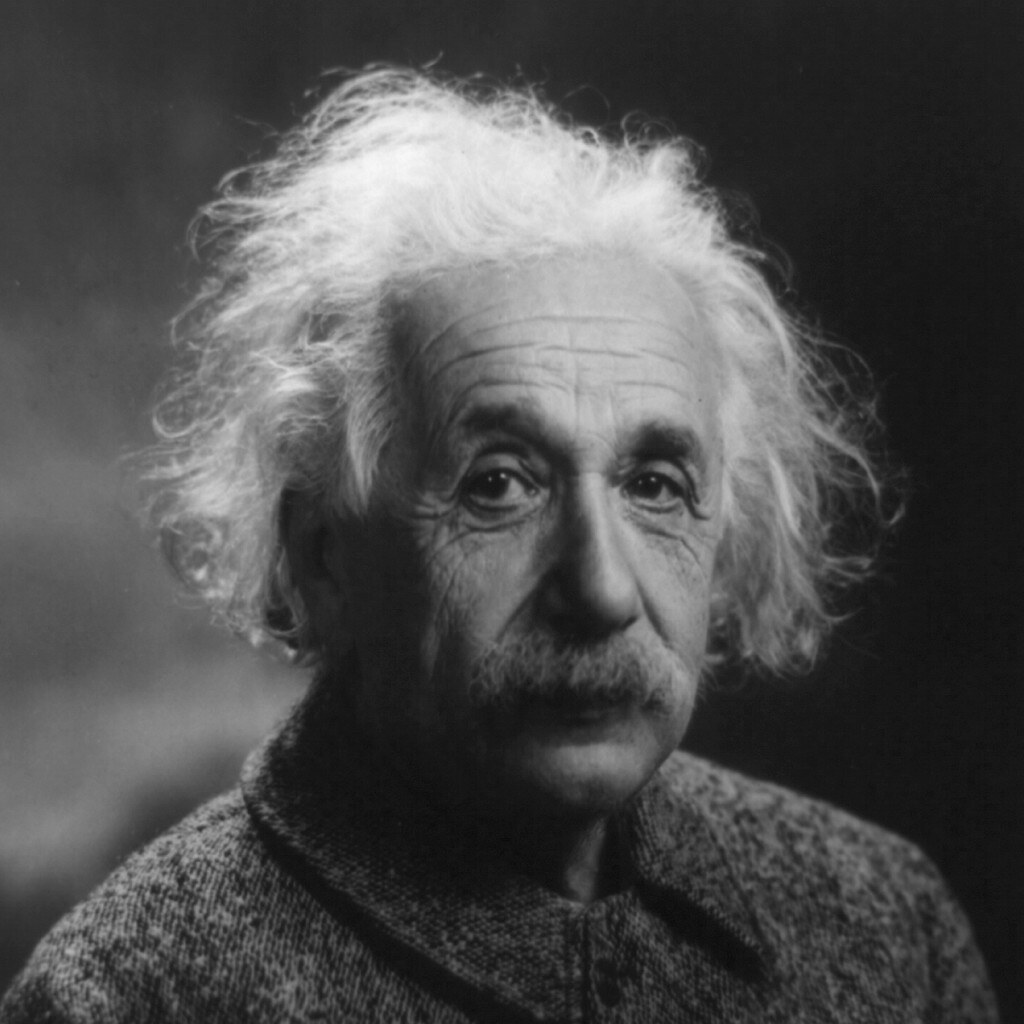
Albert Einstein
Albert Einstein (14 March 1879 – 18 April 1955) was a German-born theoretical physicist, widely acknowledged as one of the most influential scientists of all time. He developed the theory of relativity and made key contributions to quantum mechanics. His mass–energy equivalence formula, E = mc^2, became one of the most famous equations in physics. He received the 1921 Nobel Prize in Physics for his work on the photoelectric effect.
Learn more on Wikipedia
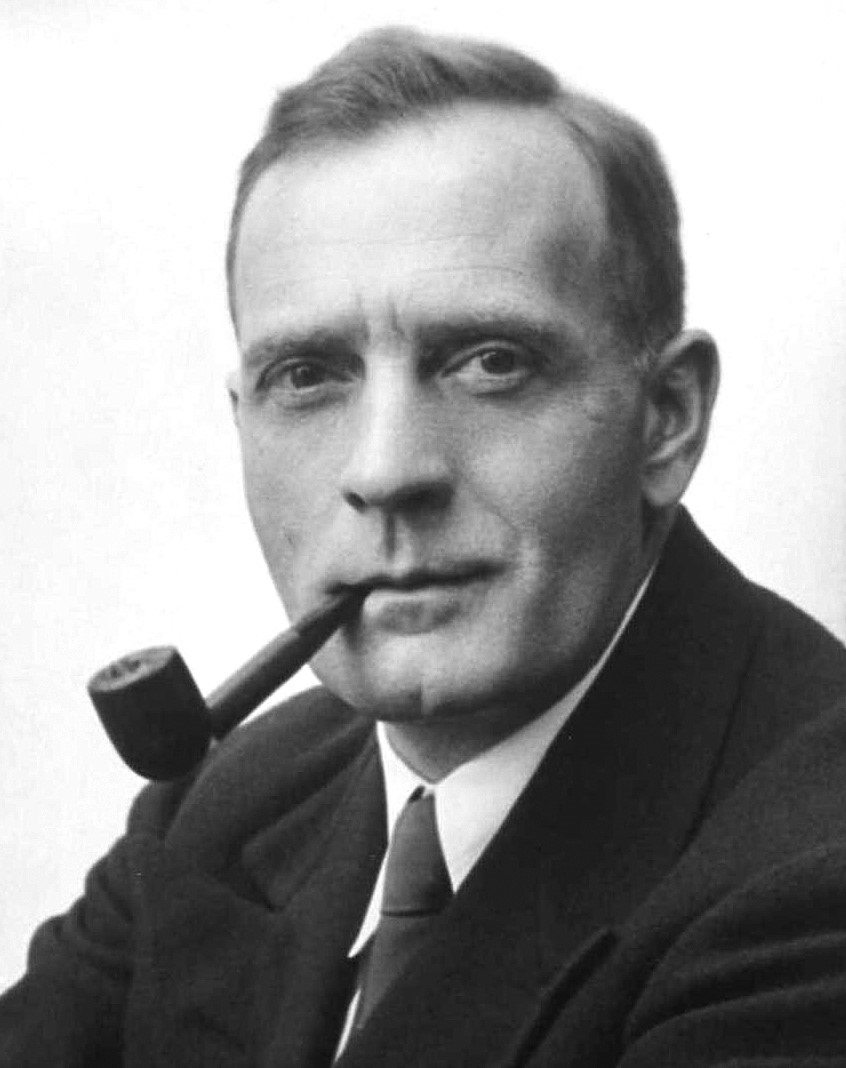
Edwin Hubble
Edwin Hubble was an American astronomer born in 1889. He showed that many “nebulae” were actually galaxies beyond the Milky Way and found evidence that the universe is expanding, now called Hubble’s Law. The Hubble Space Telescope is named in his honor.
Learn more on Wikipedia
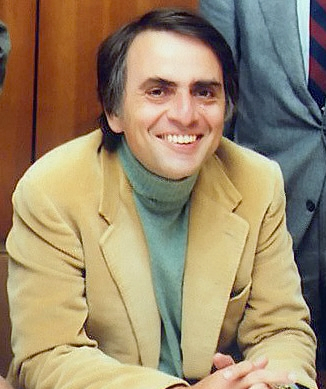
Carl Sagan
Carl Sagan made major contributions to planetary science and popularized astronomy through books and television. He helped design the Pioneer plaque and the Voyager Golden Record, messages sent into space. He also studied the greenhouse effect on Venus and warned about climate change on Earth.
Learn more on Wikipedia
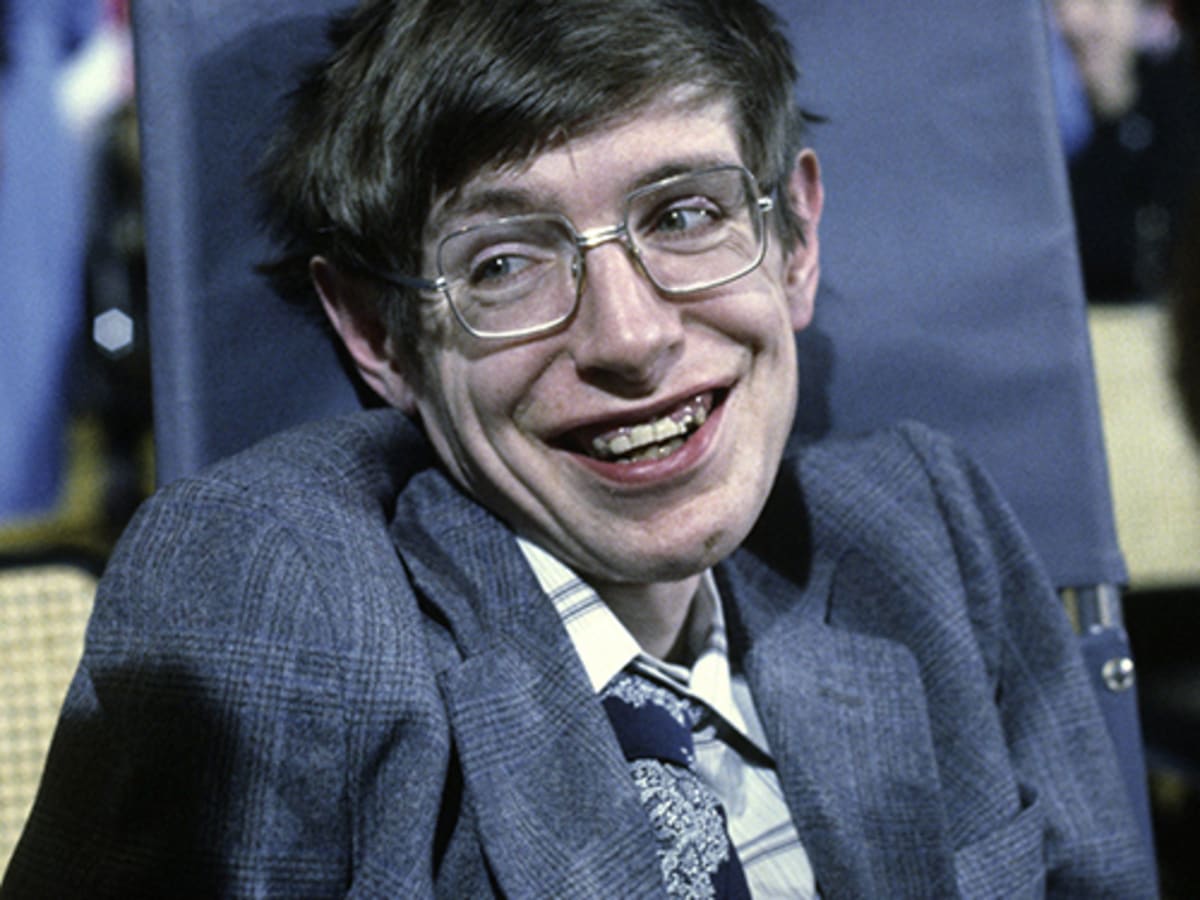
Stephen Hawking
Stephen Hawking worked in general relativity and the physics of black holes. He proposed that black holes can emit radiation (now called Hawking radiation), linking gravity and quantum physics.
Learn more on Wikipedia
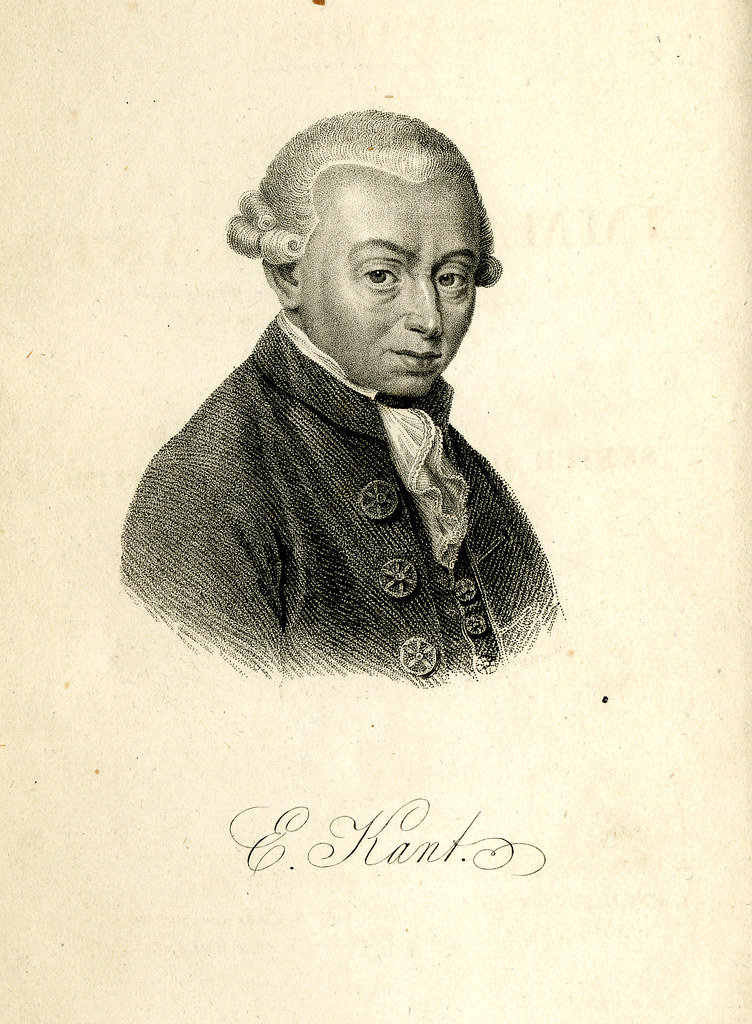
Immanuel Kant
Immanuel Kant (22 April 1724 – 12 February 1804) was a German philosopher and one of the central Enlightenment thinkers. Born in Königsberg, Kant's comprehensive and systematic works in epistemology, metaphysics, ethics, and aesthetics have made him an influential figure in modern Western philosophy.
Learn more on Wikipedia

Gottfried Wilhelm Leibniz
Gottfried Wilhelm (von) Leibniz (1 July 1646 – 14 November 1716) was a German polymath active as a mathematician, philosopher, scientist, and diplomat. He is one of the most prominent figures in both the history of philosophy and the history of mathematics. He wrote works on philosophy, theology, ethics, politics, law, history, and philology.
Learn more on Wikipedia

René Descartes
René Descartes (31 March 1596 – 11 February 1650) was a French philosopher, mathematician, scientist and lay Catholic who invented analytic geometry, linking the previously separate fields of geometry and algebra. He spent a large portion of his working life in the Dutch Republic, initially serving the Dutch States Army of Maurice of Nassau, Prince of Orange and the Stadtholder of the United Provinces. One of the most notable intellectual figures of the Dutch Golden Age, Descartes is also widely regarded as one of the founders of modern philosophy.
Learn more on Wikipedia